
 See My Latest Article on HelloNation
What Should Pet Owners in Ashland, WI Know Before Giving Medication?
Pet owners in Ashland, WI often need to help pets take medications at home, especially due to the region’s changing weather patterns and outdoor lifestyle, which can bring about seasonal health issues. Giving medication can feel intimidating, but understanding both the medication and your pet’s temperament builds confidence and keeps pets healthy. Always check the label for dosing instructions and read any accompanying notes from your veterinarian, paying special attention to storage requirements in homes that may experience temperature swings.
How Can You Make Giving Medication Less Stressful for Your Pet?
Most pets sense when something unfamiliar is happening. Calm, gentle handling and a positive attitude go a long way toward reducing stress for both pet and owner. Prepare everything before you approach your animal—having the pill, liquid, or topical ready minimizes delays and fidgeting.
Consider these locally informed tips:
- Choose a quiet, familiar spot in your home suitable for your pet’s size and temperament.
- For dogs, sitting on a rug helps prevent slipping if they try to back away; for cats, consider using a soft towel to wrap them gently.
- In multi-pet households, separate other animals to prevent crowding or competition.
What Methods Work Best for Oral Pills or Capsules?
Start by offering the pill hidden in a small treat, if permitted with that medication. A small piece of cheese or canned food often works, but check with a professional if your pet has dietary restrictions.
If hiding isn’t successful, follow these steps:
1. Gently hold your pet’s muzzle (for dogs) or jaw (for cats).
2. Tilt their head slightly upward and carefully open the mouth.
3. Place the pill as far back on the tongue as you can, avoiding your pet’s teeth.
4. Close the mouth and gently hold it closed while stroking the throat or blowing softly on the nose to prompt swallowing.
5. Watch to confirm the medication is swallowed; some pets are adept at spitting it out after appearing to cooperate.
Residents sometimes mistakenly believe that breaking up medication is always fine. However, not all medications can be split or crushed—some formulations lose effectiveness or taste too bitter when altered.
How Should Liquid Medications Be Given?
Liquid medications often come with a dropper or oral syringe. Draw up the exact dose, then:
- Gently restrain your pet.
- Insert the syringe between the cheek and back teeth.
- Slowly squirt the medication, allowing time for your pet to swallow.
- Avoid squirting directly at the back of the throat, which can cause choking or inhalation.
In colder months, warming the liquid to room temperature (never hot) may make the process less startling for your animal.
Are There Special Considerations for Topical or Ear Medications in the Area?
Ashland’s outdoor environment can expose pets to dirt, snow, or water, so always clean and dry any area before applying topical or ear medications. For ear ointments or drops:
- Hold the ear gently but firmly.
- Place the nozzle just inside the ear canal (not deep inside).
- Gently massage the base of the ear to help distribute the medication.
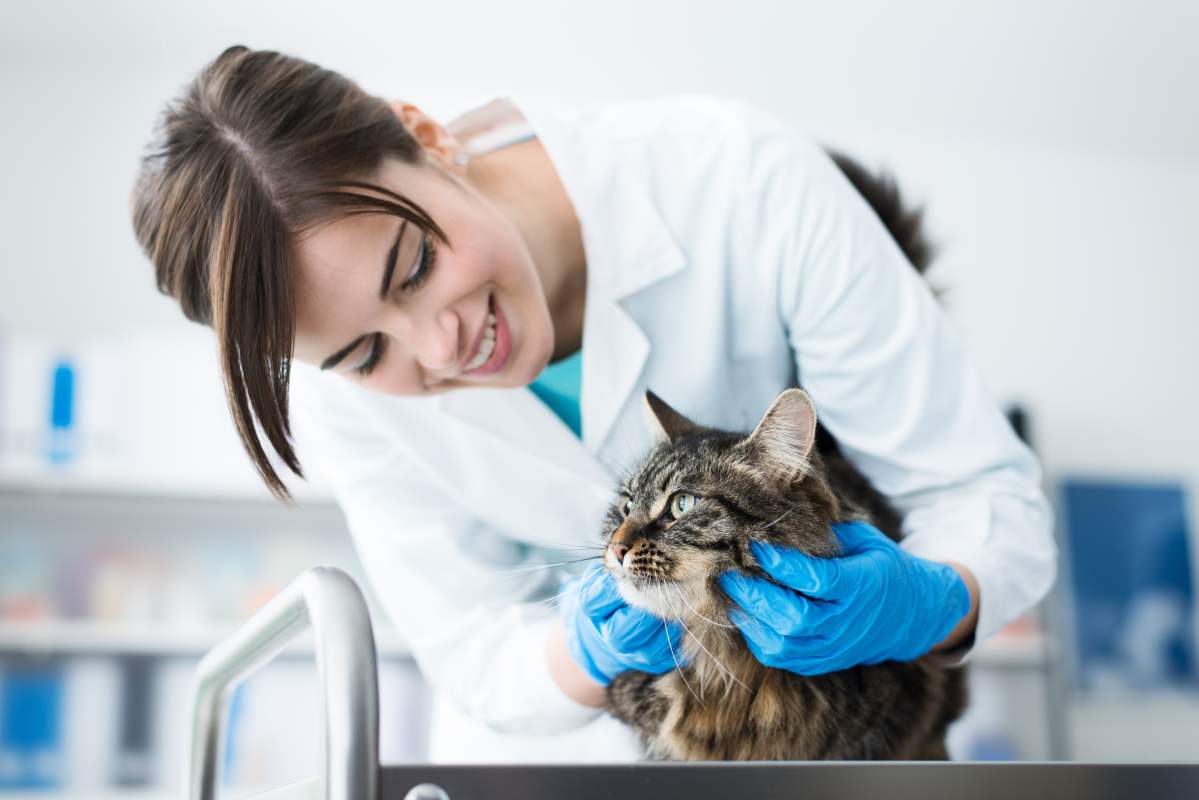
For skin treatments, part the fur as needed and apply directly to the skin. Prevent your pet from licking the area by distracting them with a treat or play afterward.
How Should Medication Be Stored in Local Homes?
Temperature and humidity in Ashland homes can fluctuate, especially in older houses or those using wood heat. Most oral medications store best at room temperature, away from sunlight and moisture. Certain items may need refrigeration; always refer to the label.
Keep all medications out of reach of both pets and children, ideally in a cupboard with a latch. Never store pet medications alongside household chemicals or human medications to avoid mix-ups.
What If a Dose Is Missed or Spilled?
Most medications are effective only when given as prescribed. If you miss a dose, administer it as soon as you remember—unless it’s almost time for the next scheduled dose, in which case skip the missed one to avoid double dosing. Clean up any spills quickly, especially in homes with multiple pets.
Do not give extra doses or attempt to “catch up” unless specifically directed. Unintentional overdoses or improper timing can have serious results, especially for smaller pets or those with chronic health conditions.
When Should Pet Owners Seek Help?
Mistakes or complications can happen even with the best preparation. Call for advice if:
- Your pet vomits or spits out medication more than once.
- You notice swelling, hives, or agitation after a new dose.
- There are concerns about accidental over- or under-dosing.
During Ashland’s harsh winters, some medications given to treat cold-weather injuries or illnesses require extra diligence. Pets with thick coats can sometimes hide allergic reactions—keep a close watch after the first few doses of a new prescription, especially if spending extra time indoors.
How Can Pet Owners Support Long-Term Success with Medication?
Consistency is key. Administer medication at the same times each day, and use reminders—cell phone alarms work well—to avoid missed doses. Small rewards following medication can help pets build a positive association. Families with children should clearly communicate who is responsible for giving each dose to avoid errors.
Practical planning means adjusting for busy schedules, seasonal travel, or unexpected weather that might disrupt routines. Keeping a written log or simple checklist, especially during longer treatment courses, is helpful for busy Ashland households.