

 See My Latest Article on HelloNation

How Can You Tell If Your Dog Is Hurting?
Dogs rarely express pain the way humans do, so noticing discomfort can be challenging for families in Ashland, WI. Sudden changes in behavior, activity level, or appetite often provide the first clues. Subtle shifts, like reluctance to go outside in winter or hesitations on icy steps, may signal discomfort in local conditions.
What Changes in Behavior Might Point to Pain?
Dogs in pain typically become less social or active. A friendly dog might withdraw, avoid being touched, or become irritable.
Behavioral changes to watch for include:
- Unusual hiding or spending time alone
- Aggression or snapping when approached
- Reduced interest in play or walks, especially during cold months
- Restlessness, pacing, or difficulty settling
Households in Ashland may also notice increased vocalization, such as whining or yelping, especially if a painful area is touched.
Are There Physical Signs to Watch For?
Physical indicators are often more visible when dogs have sustained an injury, suffer from arthritis, or face other health concerns common in northwoods conditions. Look for:
- Limping or favoritism of one leg, especially after slippery outdoor excursions
- Difficulty rising from beds or getting into cars after lying down
- Stiff movements, especially first thing in the morning or after playing outside
- Licking or chewing a particular area, sometimes causing hair loss or sores
- Changes in posture — hunching, rigidity, or reluctance to turn or bend
Paw injuries from ice, road salt, or debris are more common during Ashland’s winters, while tick-borne illnesses can also impact joint comfort in warmer seasons.
How Does Appetite Relate to Pain?
A dog’s eating habits can change dramatically if they hurt. They may skip meals, drop food from their mouth, or show less enthusiasm for treats. This could be related to dental pain, abdominal discomfort, or generalized soreness. Always take note if your dog suddenly refuses food they usually enjoy, especially after outdoor adventures where mouth or paw injuries could occur.
Are Dogs Less Active When They’re in Pain?
Decreased activity is often the first thing pet owners observe. A dog who loves walks at Prentice Park or romping in local yards may suddenly seem slower or disinterested. Sometimes, reluctance to go upstairs or jump onto the couch is the only sign. Watch for:
- Shorter walks, stopping or sitting frequently outdoors
- Slow or hesitant leash walking on uneven or icy sidewalks
- Lack of enthusiasm for familiar routines
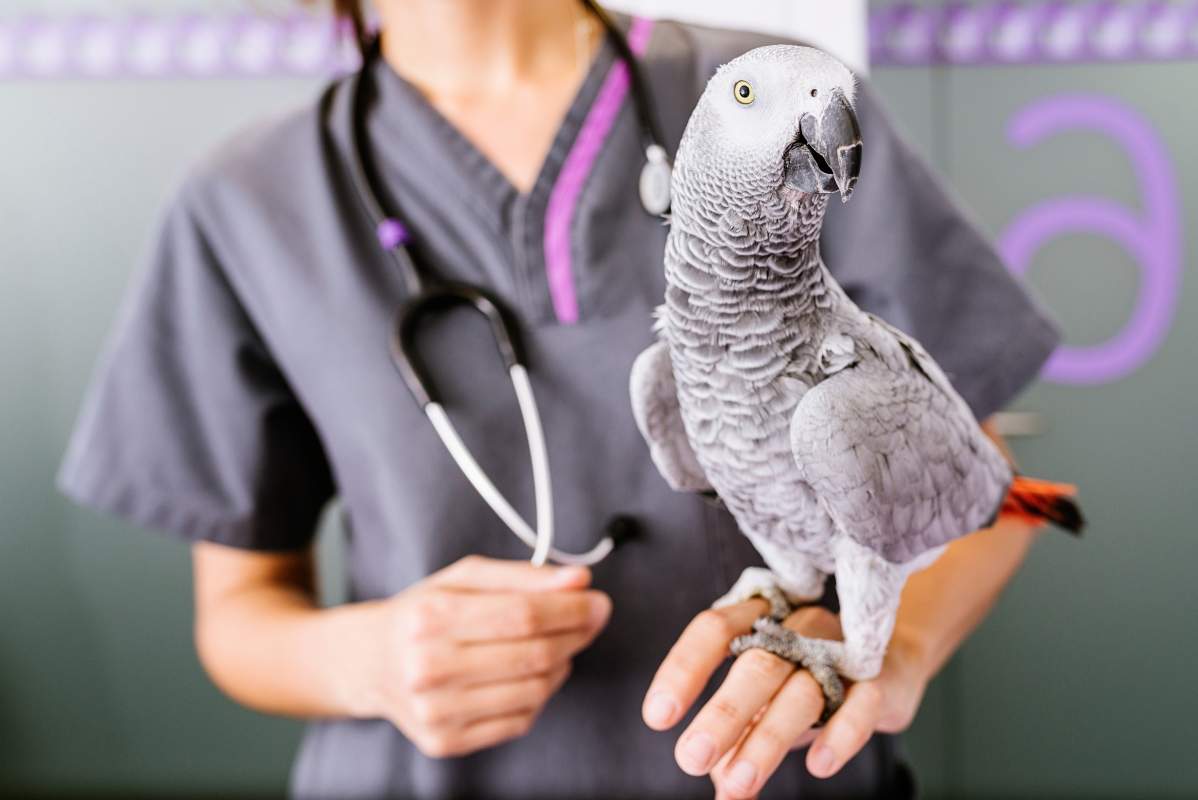
These changes may be subtle at first and are sometimes mistaken for “just getting older,” but deserve closer attention.
What About Changes in Breathing or Heart Rate?
Dogs in pain may pant even when resting indoors, especially if the pain is significant. Fast or shallow breathing when at rest — not just after exercise — is worth monitoring. In some cases, a dog may shiver or shake when anxious or hurting. This can be more noticeable during the colder months in the area, but persistent trembling indoors may indicate underlying pain.
Are There Misconceptions About Dogs “Toughing It Out”?
Many residents believe dogs will always express pain by yelping or limping dramatically. However, most dogs instinctively hide vulnerability. Breed, age, and personality all affect how pain is shown. Some will never whimper, even with significant discomfort. It’s important for community members to focus on gradual or subtle changes, not just overt signs.
When Should Residents Seek Guidance for Their Dog’s Pain?
Immediate veterinary attention is essential if a dog experiences:
- Obvious trauma (e.g., hit by a car, serious fall on ice)
- Persistent non-weight-bearing lameness
- Repeated vomiting or collapse
- Sudden, extreme behavioral change with no clear cause
For other symptoms, monitoring trends is key — take notes on what you see and when. Seasonal hazards, like paw injuries from salted streets or arthritis flare-ups during cold snaps, are frequent in the region.
What Are Commonly Overlooked Causes of Discomfort?
Some pain sources are easy to miss. Joint issues like hip dysplasia may surface in cold weather or after vigorous play. Allergic skin conditions, tick-borne diseases, ear infections, or dental problems are also frequent culprits. Dogs may only show minor clues like scratching, head shaking, or chewing their feet. Any change that lasts more than a day or two, or recurs regularly, may signal pain.
How Can Families Support a Dog Who Might Be Hurting?
Gentle observation and patience go a long way. Avoid forcing a dog into activities if they seem uncomfortable, and make indoor spaces easy to navigate, especially on slippery days. Keep a basic log of symptoms, noting the environment or recent local activities, which can help determine patterns. Over-the-counter human pain medications should never be given to dogs without veterinary guidance, as many are dangerous to pets.