
 See My Latest Article on HelloNation
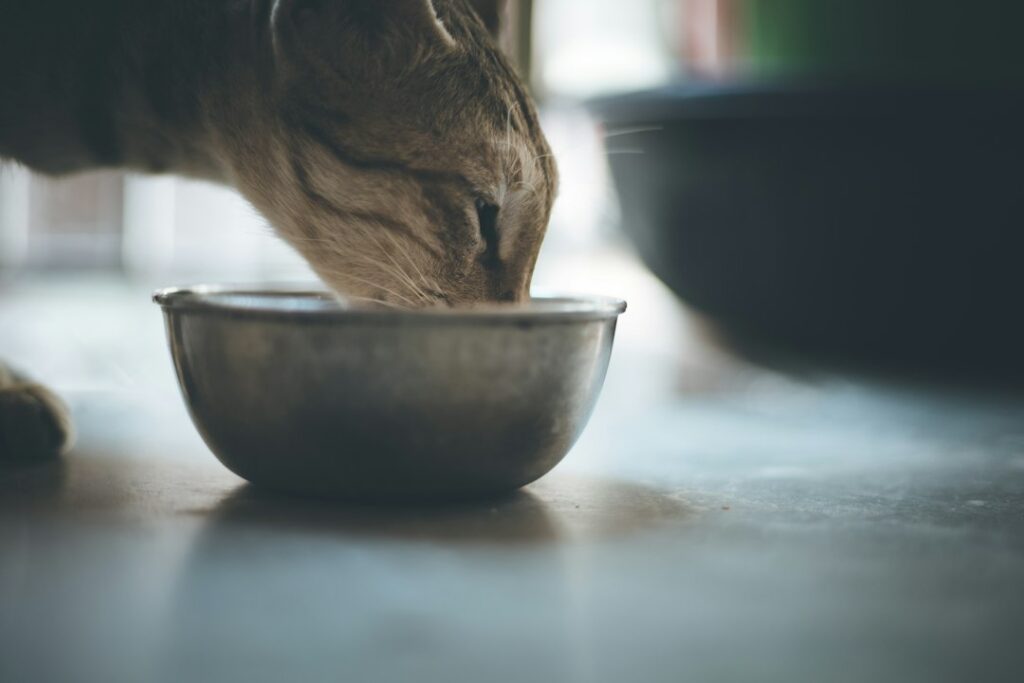
Young animals need more than simply “extra food.” Puppies and kittens require carefully balanced nutrition, regular meals, and close observation because their bodies are developing rapidly. The right diet supports healthy bones, muscles, organs, brain development, and immune function.
What should a puppy or kitten eat?
A puppy should generally eat a complete and balanced food labeled for puppy growth. A kitten should eat a complete and balanced food labeled for kitten growth. These diets provide the higher levels of calories, protein, fat, vitamins, and minerals needed during development.
Look for a nutritional adequacy statement indicating that the food is intended for growth. Some products are labeled for “all life stages,” which may also be appropriate, but the feeding directions and calorie content still need to fit the individual animal.
Puppies expected to become large or giant dogs should be fed a diet specifically formulated for large-breed growth. These foods help provide appropriate calcium, phosphorus, and calorie levels. Feeding too much or encouraging rapid weight gain can contribute to bone and joint problems.
Kittens should receive food made for kittens rather than adult cat food. Cats have species-specific nutritional needs, including adequate taurine and other essential nutrients that are particularly important during growth.
How often should puppies and kittens be fed?
Young animals usually do better with several measured meals instead of one large meal.
A general schedule is:
- Puppies around eight to twelve weeks old: three to four meals daily
- Puppies three to six months old: three meals daily
- Puppies six months and older: usually two meals daily
- Kittens recently weaned: three to four small meals daily
- Older kittens: two to three meals daily, depending on age, size, and body condition
Very small puppies and kittens may need more frequent feeding because they have limited energy reserves. A newborn that is not nursing, repeatedly cries, feels cold, seems weak, or fails to gain weight needs prompt veterinary attention. Cow’s milk is not an appropriate substitute for a mother’s milk or a properly prepared commercial milk replacer.
Food should be measured rather than left constantly available unless there is a specific reason to use free-choice feeding. Unrestricted food can lead to excess weight, especially in puppies, kittens, and indoor pets with limited activity.
How much food does a growing pet need?
The feeding chart on a food package is a starting point, not a fixed prescription. The correct amount depends on age, expected adult size, activity, body condition, health, and the calorie density of the food.
Measure portions with a standard measuring cup, or use a kitchen scale when precise control is needed. Divide the daily amount among meals. Treats, training rewards, table food, dental chews, and supplements all contribute calories.
A puppy or kitten should be growing steadily without becoming noticeably round or heavy. You should be able to feel the ribs under a thin layer of fat, see a waist from above, and observe an abdominal tuck from the side. The ribs should not be sharply visible in a well-nourished animal, but they should not be difficult to feel.
Growth should be monitored at regular wellness visits. This is especially useful for puppies that may become large adults, because the goal is controlled growth rather than the fastest possible growth.
Is wet food or dry food better?
Both wet and dry diets can be appropriate when they are complete and balanced for the correct life stage. The choice often depends on the animal’s preferences, dental health, household routine, and budget.
Wet food can help increase water intake and may be easier for a young kitten or small puppy to eat. Dry food is convenient to measure and store. Some households use a combination.
For kittens, adding moisture can be helpful because many cats naturally drink relatively little. Fresh water should still be available at all times. In colder months, water bowls in homes with dry indoor heat may need to be refreshed frequently. Outdoor water can freeze, so young pets should not be expected to rely on it.
Should homemade food or raw diets be used?

Homemade diets are not automatically balanced. A diet based mainly on meat, hamburger, rice, chicken, or table scraps can be deficient in calcium, certain vitamins, essential fatty acids, and other nutrients. Puppies and kittens are particularly vulnerable to nutritional imbalance because their skeletons and organs are developing.
If a homemade diet is being considered, it should be formulated for the individual animal by a veterinarian with advanced nutrition training. Random recipes from the internet or social media may not provide reliable nutrient levels.
Raw diets also carry risks, including bacterial contamination, intestinal obstruction from bones, dental injuries, and nutritional deficiencies. Young animals, children, older adults, and people with weakened immune systems may be more vulnerable to foodborne pathogens. Cooking meat does not make an otherwise unbalanced diet nutritionally complete, but it can reduce some infectious risks.
Which foods and treats should be avoided?
Puppies and kittens should not receive alcohol, caffeine, cannabis products, onions, garlic, grapes, raisins, chocolate, or products containing the sweetener xylitol. Fatty scraps can cause digestive upset and may contribute to pancreatitis. Cooked bones can splinter and cause choking, intestinal injury, or blockage.
Treats should make up only a small portion of daily calories. Small pieces of the pet’s regular food can work well for training. Treats should be small enough to prevent overfeeding, particularly during house-training when rewards may be offered often.
Keep pet food, supplements, medications, and human snacks secured. In Ashland, WI, seasonal gatherings and holiday meals can create more opportunities for young pets to reach unsafe foods. Visitors may also offer scraps without realizing that some ingredients are hazardous.
How should a new food be introduced?
Change food gradually over about seven days when possible. Start with mostly the current food and a small amount of the new food, then slowly increase the new portion.
A sudden switch can cause loose stool, vomiting, reduced appetite, or gas. If digestive signs are mild, return temporarily to the previous diet and transition more slowly. Persistent vomiting, repeated diarrhea, blood in the stool, refusal to eat, weakness, or signs of dehydration require veterinary guidance.
Young animals can become dehydrated or develop low blood sugar more quickly than adults. A puppy or kitten that stops eating should not simply be watched for several days.
Do puppies and kittens need supplements?
Most healthy puppies and kittens eating a complete and balanced growth diet do not need additional vitamin or mineral supplements. Extra calcium can be harmful, particularly for large-breed puppies, and too much of some vitamins can interfere with normal development.
Supplements may be appropriate for a diagnosed medical condition, but they should be selected based on the animal’s diet, age, health status, and medication history. “Natural” does not always mean safe, and products made for people may contain ingredients that are dangerous to pets.
When should feeding concerns be checked?
A veterinarian should evaluate a puppy or kitten that is not gaining weight, has ongoing diarrhea, vomits repeatedly, appears unusually tired, drinks excessively, has a swollen abdomen, or struggles to chew or swallow. Parasites, infections, congenital conditions, dental problems, and food intolerance can all affect appetite and growth.
For most healthy young pets, the basic plan is straightforward: choose a complete growth diet for the correct species, measure meals, provide fresh water, limit extras, monitor body condition, and adjust feeding as the animal grows.