

 See My Latest Article on HelloNation
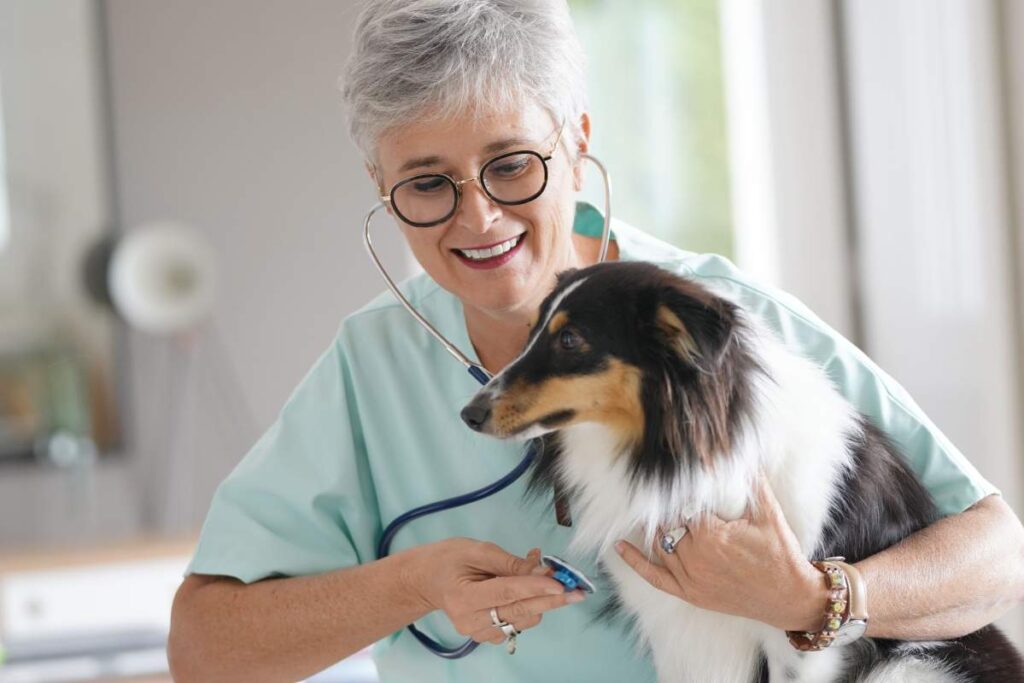
Why Regular Veterinary Visits Matter for Local Pets
Most pets in Ashland, WI benefit from regular veterinary visits, regardless of their age or health status. These appointments are not just about treating illness—they are key for early detection of potential problems, keeping vaccinations up to date, and ensuring pets live long, healthy lives in a region known for its seasonal changes and outdoor lifestyle. Local pets face unique risks such as tick exposure, winter salt, and fluctuating temperatures that can affect their well-being in ways different from pets in other climates.
What Is the Recommended Frequency for Routine Exams?
Healthy adult dogs and cats typically need a checkup once every 12 months. This general guideline can vary depending on the animal's age, breed, lifestyle, and any underlying medical conditions. In Ashland, area pets may benefit from annual exams timed with spring or early summer, since this is when many pests and allergens become most active.
For puppies and kittens, the schedule is more intensive:
- Young animals usually visit the vet every 3–4 weeks until around four months old. This ensures timely vaccinations and addresses any early health concerns.
- Senior pets (generally age 7 and older) should be seen twice a year in many cases. This allows earlier identification of age-related health issues, which can progress quickly.
Why Might Local Factors Change the Schedule?
In areas like Ashland with cold winters and active tick seasons, certain pets may require more frequent visits. Dogs that spend time in wooded areas might need additional checks for tick-borne diseases or annual heartworm screenings.
Common local factors that might increase vet visit frequency include:
- Outdoor pet lifestyles
- Seasonal boarding or travel needs
- Participation in hunting or hiking
- Exposure to wildlife or standing water
Field dogs, for example, may need more regular preventive care such as Lyme disease vaccines or parasite checks. House cats, though less exposed to environmental risks, still benefit from yearly exams to monitor for weight gain, dental disease, or metabolic changes.
Are There Signs That a Pet Should Be Seen Sooner?
Yes. Even healthy pets in the community can develop sudden illnesses or injuries that need attention before the next routine visit. Owners should seek a vet’s evaluation if a pet shows:
- Persistent vomiting or diarrhea
- Noticeable weight loss or gain
- Lethargy or unexplained behavioral changes
- Lameness, limping, or difficulty moving
- Coughing, labored breathing, or nasal discharge
- Sudden changes in appetite, thirst, or bathroom habits
Immediate care is especially important after suspected wildlife encounters, tick bites, or exposure to antifreeze, as these are more likely during Ashland’s spring thaw and fall weather changes.
Are Vaccinations and Preventive Medications on the Same Schedule?
Vaccinations and preventive treatments (such as heartworm medication or flea/tick prevention) are often coordinated with routine vet visits. However, some vaccines and medications follow their own timelines:
- Annual rabies vaccination is required for both dogs and cats in this region.
- Core and lifestyle vaccines may follow a 1–3 year cycle based on risk.
- Monthly preventions may require periodic prescriptions and weigh-ins.

It’s common practice for veterinarians in Ashland to tailor these plans based on the pet’s living environment and local disease trends. For example, pets travelling with owners to regional forests or lakes might receive additional recommendations.
Do Indoor Pets Need to Visit as Frequently?
Indoor pets appear less exposed to environmental risks but still require annual health monitoring. Local cats—even those who never set foot outside—are still vulnerable to certain diseases, parasites, obesity, and dental problems.
Routine exams allow:
- Early detection of chronic illnesses common in indoor animals, such as kidney or thyroid disease in aging cats
- Assessment of diet, weight, and mental stimulation—especially important through Ashland’s long winter months
What About Multi-Pet or Small Animal Households?
For households with more than one pet or those caring for rabbits, guinea pigs, or birds, each species has its own needs. While dogs and cats usually see a vet annually, most small mammals and birds do best with yearly checkups as well. Any new pet—regardless of type—should have an initial vet consultation soon after adoption.
Monitoring for zoonotic illness, parasite transmission, and healthy social interactions is particularly relevant in crowded pet environments.
Why Is Age and Genetics Important?
Pets with chronic health issues, congenital conditions, or breed-specific risks might need more frequent checkups. Certain breeds prevailing in Ashland are more prone to orthopedic problems (like hip dysplasia in large dogs) or hereditary heart concerns. Senior pets benefit from twice-yearly wellness exams to monitor for subtle changes in organ function or mobility.
Discussing your pet’s risk profile with a veterinarian allows for a customized care schedule.
Can Vaccination Rules Affect Veterinary Visit Timing?
Wisconsin law mandates regular rabies vaccinations for dogs, and local ordinances may be stricter about pet licensing and immunization records. Routine visits ensure compliance with these regulations—a point especially relevant for households planning to travel or move within the region.
Missed vaccinations can result in penalties or exclusion from local pet-friendly events and communal spaces. Keeping up with recommended visits helps avoid such issues.
When Should You Adjust the Routine?
Life changes, such as a move, long-term boarding, new additions to the household, or recent illnesses, are good reasons to consider extra vet check-ins. Ashland residents who spend extended time at cabins, travel with pets, or vary between seasonal homes often find themselves adjusting their pets’ schedules to match.
Whenever there’s doubt—especially after exposure to new environments or animals—a prompt exam is best.