

 See My Latest Article on HelloNation
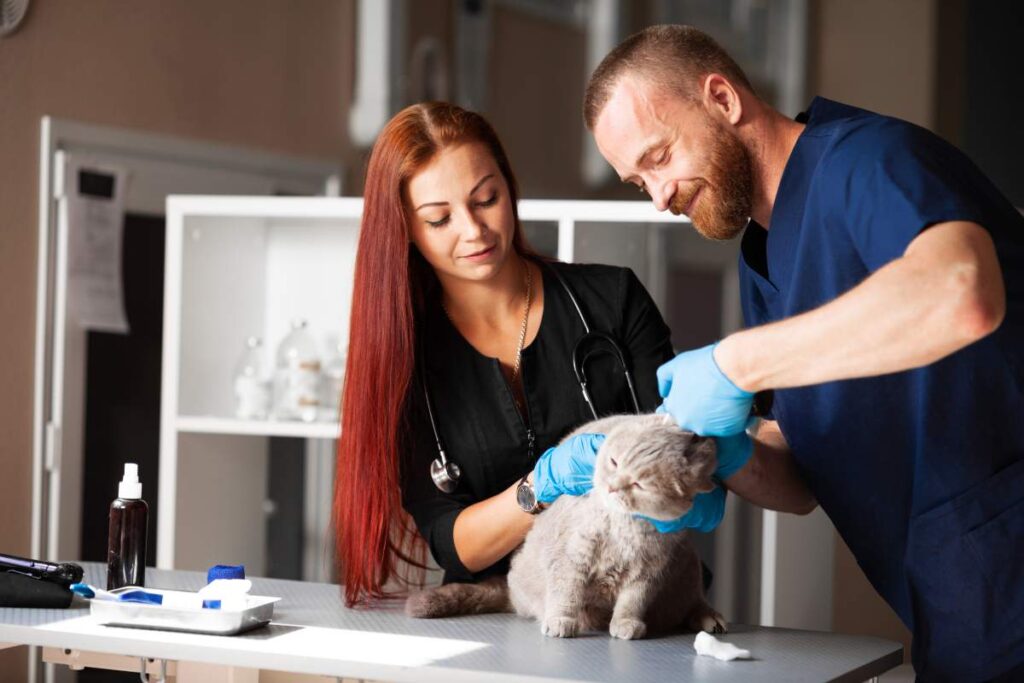
Why Should Pet Owners Prepare for Vet Visits?
Preparing pets for vet visits helps reduce their stress and makes the experience smoother for both animals and humans. For many local households, a vet trip can become an anxious event, especially for pets unaccustomed to travel or new environments. Stress can make exams more difficult, so advance preparation improves both emotional comfort and the accuracy of examinations.
How Can You Make the Carrier or Leash Less Stressful?
Acclimating pets to carriers or leashes in advance prevents last-minute struggles. Small pets and cats who only see their carrier before travel often associate it with negative experiences.
- Leave the carrier out for several days before the appointment, placing soft bedding and familiar-smelling items inside.
- Offer treats or toys in the carrier, letting the pet enter and exit freely.
- For dogs, practice walking calmly on a leash around the house and yard, praising calm behavior, especially in unfamiliar situations.
Allowing pets to make positive associations at home can make the process less intimidating when heading to the veterinary clinic.
What Should You Bring to a Vet Visit?
Having the right items on hand keeps pets comfortable and ensures accurate communication with the veterinary team.
Items to consider include:
- Your pet’s health records or vaccination documentation, especially if using a new clinic.
- A list of questions or concerns, such as changes in eating, drinking, or behavior.
- A recent sample of your pet's stool or urine (when requested).
- Treats and a favorite toy or blanket, providing comfort and distraction while waiting.
- For nervous pets, a towel with home scents can help reduce anxiety.
- Any medications the pet is currently taking, to clarify dosing and frequency.
Local climate factors—like icy walkways or muddy spring thaw—may require bringing a clean, dry towel to help pets avoid slips at entrances or reduce post-travel mess.
How Should You Handle Transportation to the Vet?
Safe and calm transportation minimizes stress for pets and owners, especially during Ashland’s cold winters or muddy transitional seasons.
- Secure carriers in the vehicle so they do not slide or tip during turns or stops.
- Keep the vehicle at a comfortable temperature, warming it in winter before placing your pet inside.
- For dogs, use a harness, crate, or seatbelt attachment to prevent unsafe movement in the car.
- Drive carefully over bumpy or slippery local roads, planning extra time in winter.
- Avoid loud music or strong air fresheners that can overwhelm pets' senses.
Planning ahead for local weather can help keep travel as smooth as possible.
How Can You Calm an Anxious Pet Before the Appointment?
Pets are quick to pick up on their owner’s emotions, so staying relaxed helps set the tone.
- Keep your own attitude upbeat and calm.
- Allow for extra time on travel days, avoiding rushing that can spread anxiety.
- Use pheromone sprays or calming treats, but confirm safety with your vet if your pet has any health conditions.
- For especially nervous pets, practice brief, positive visits to the veterinary clinic parking lot or entryway without a scheduled exam.
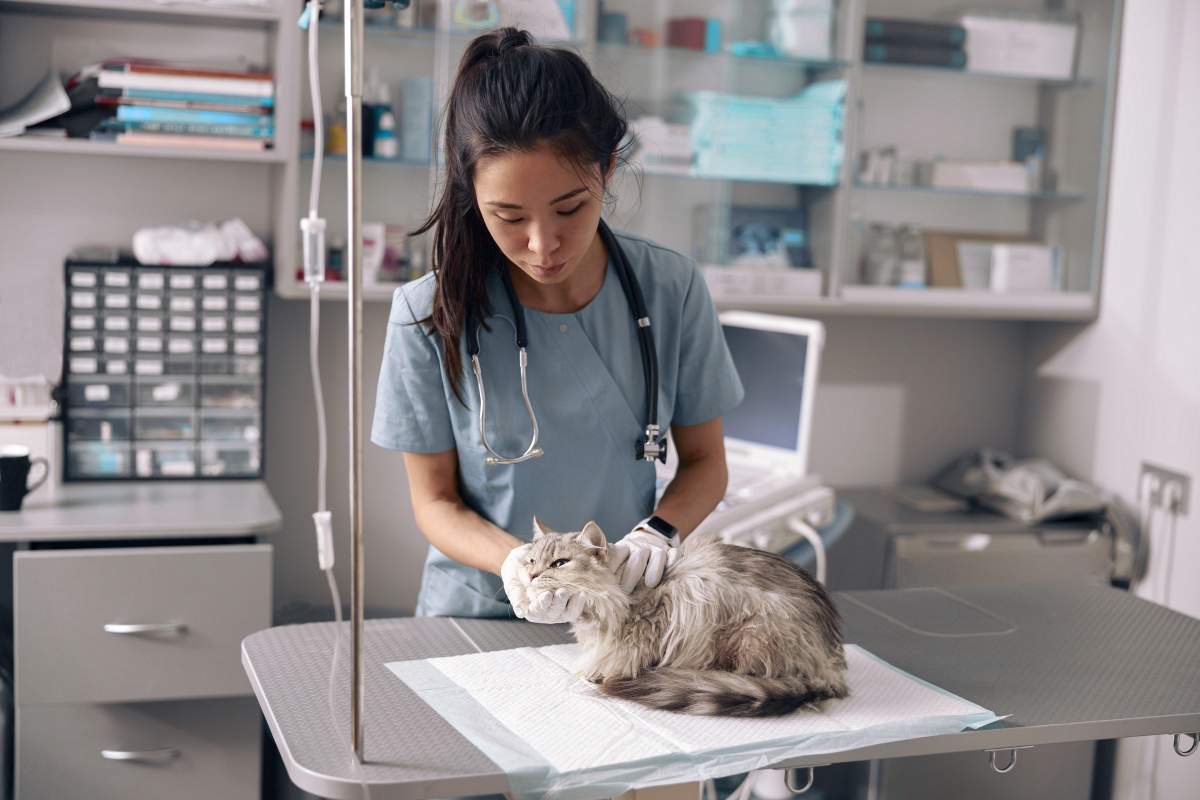
If anxiety is severe, ask your veterinarian (in advance, not at the time of the visit) if temporary calming solutions might be appropriate.
What If a Pet Resists Handling or Is Aggressive?
Some pets may react defensively during medical exams. Advance planning and honest communication protect both the animal and the care team.
- Mention any handling concerns when scheduling; staff may offer specific procedures or recommend techniques.
- Muzzle training for dogs, if needed, should be gentle and done over several days before the visit.
- For cats, towel wrapping (also called a “kitty burrito”) can help calm them and reduce the risk of scratching.
Trying to force a frightened animal into a carrier or vehicle can increase fear and risk injury—gentle patience and calm persistence generally yield the best results.
How Should You Prepare for Seasonal or Environmental Factors in Ashland, WI?
Seasonal patterns affect vet trip planning in unique ways in this area.
- In winter, driveways and clinic parking lots can be icy. Use secure, non-slip footwear to prevent accidents while carrying pets.
- For small pets, wrap a towel or blanket around the carrier to shield against cold gusts during transport.
- Summer humidity can lead to quick overheating in cars; never leave pets alone in the vehicle, even briefly.
- In tick and mosquito season, check for hitchhikers after outings, especially for pets traveling from wooded or grassy local areas.
Factoring in local weather and landscape helps ensure pets arrive safe and calm.
What Should Pet Owners Do After the Vet Visit?
Pets may feel tired, nervous, or off-balance from vaccines or travel, so a calm return home is best.
- Offer familiar comforts and keep other household pets calm for a few hours.
- Provide fresh water and a quiet place to rest.
- Monitor for unusual behaviors—such as lethargy, limping, or prolonged hiding—and call the clinic with specific concerns if these do not resolve.
Returning to familiar routines as soon as possible helps most pets recover from the experience.