
 See My Latest Article on HelloNation
What Happens During a Standard Checkup?
A routine pet checkup evaluates a companion animal’s health and checks for early signs of illness. This visit typically includes a physical exam, preventive care, and time to discuss any questions. In communities like Ashland, WI where seasons and outdoor access affect pets, these checkups are important for maintaining wellness throughout the year.
How Is a Physical Exam Done for Animals?
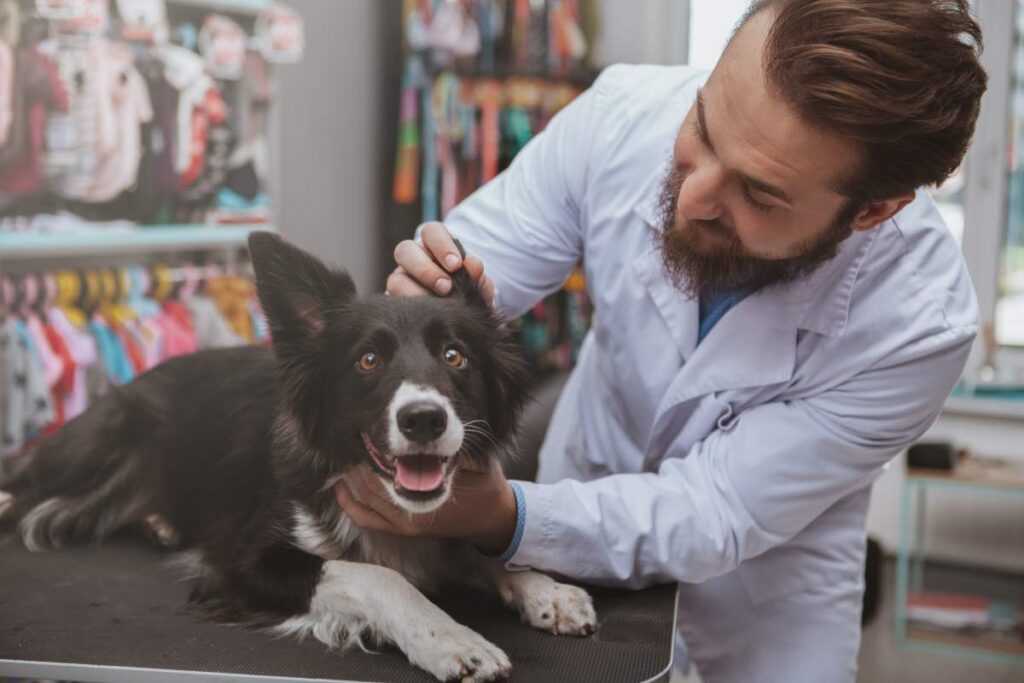
Pet checkups always start with a thorough physical assessment. The veterinarian inspects the eyes, ears, mouth, skin, and overall body condition. This hands-on exam includes:
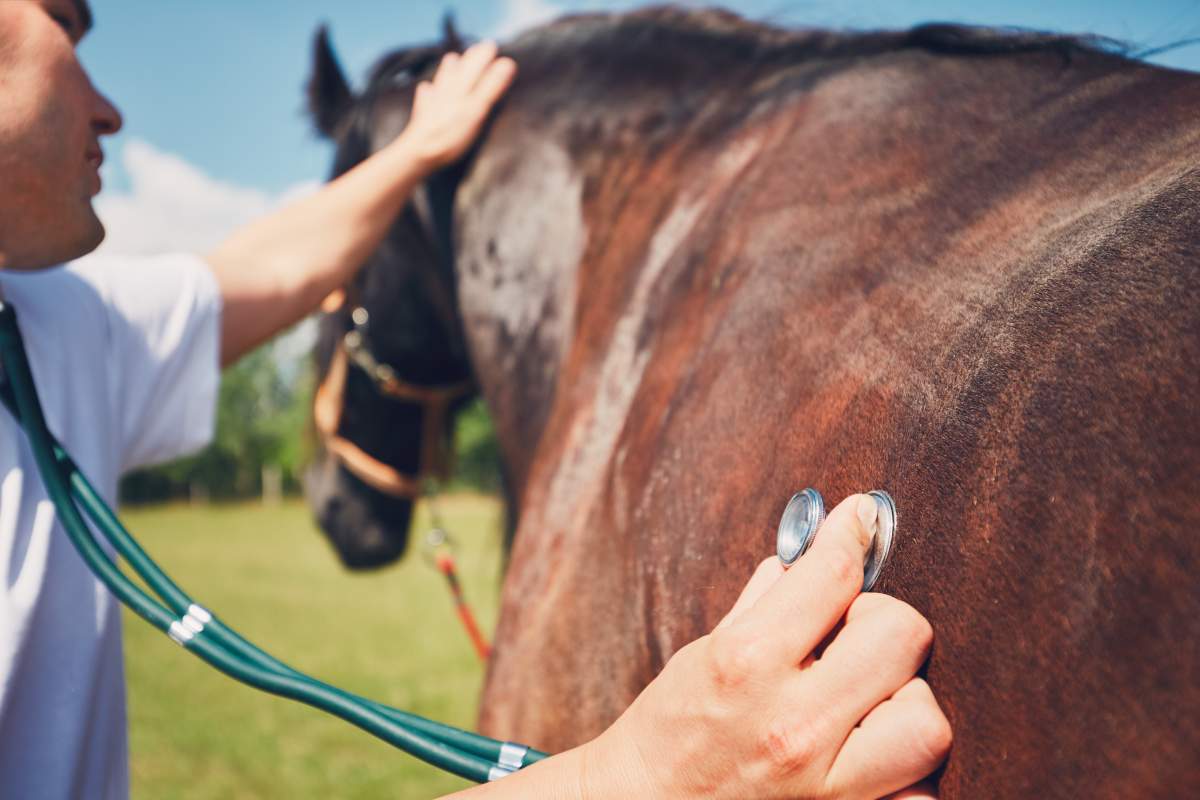
- Listening to the heart and lungs with a stethoscope
- Checking for lumps, bumps, or sore areas
- Palpating the abdomen to ensure organs feel normal
- Looking for signs of parasites (like fleas or ticks), which are common in wooded or grassy parts of the community
Pets may be weighed and their temperature recorded. Gently restraining pets, especially in unfamiliar settings, is normal and helps ensure their safety.
What Kind of Preventive Care Is Involved?
Preventive care means staying ahead of illness. In the region, this often includes vaccinations and tests for diseases that pets may encounter locally, such as Lyme disease or heartworm. Care may involve:
- Booster shots for diseases relevant to the local climate and wildlife patterns
- Internal parasite checks, especially from late spring through fall
- Flea, tick, or heartworm prevention advice based on recent weather and seasonal tick activity
Local veterinarians might also recommend blood or stool tests, particularly for older pets or those with outdoor exposure.
What Questions Should Pet Owners Bring Up?
Checkups are not only for the pet’s health but also give residents a chance to ask practical questions. Typical topics include:
- Changes in behavior, eating, or energy
- Local hazards—such as foods toxic to pets, dangerous plants, or local insect threats
- Best practices for year-round activity, safe outdoor play, or winter comfort
- Adjusting diets for age, size, or chronic health issues
- Dental care needs, which are sometimes overlooked in rural and outdoor-living pets
Bringing a list of questions or recent concerns helps make the most of this time.
Are Checkups Different for Younger or Senior Pets?
Puppies, kittens, and senior pets have distinct needs. Young pets need several visits for vaccinations and early screening. Older pets in rural areas may require more frequent exams, especially if they have chronic conditions or spend considerable time outside.
Vets may recommend additional tests, such as blood work or arthritis monitoring, for older companions. Dogs or cats with outdoor routines may get extra checks for ticks, joint health, and signs of dental wear.
How Are Pet Lifestyles Considered?
Lifestyle matters during a checkup. Pets that spend time hiking, swimming, or living on acreage have different risks than pets who stay indoors. The veterinarian asks about activity level, home environment, and any recent outings. For example, a dog frequently swimming in local lakes may need extra care for ears or skin prone to infections.
Discussing travel plans, new pets in the neighborhood, or encounters with wildlife also provides helpful context during a routine visit.
Can You Prepare Your Pet for a Less Stressful Visit?
Bringing a familiar blanket or favorite toy can make a big difference. Pet owners in smaller communities sometimes walk their dogs around the area near the clinic before the visit to help burn off nervous energy. Staying calm and using positive reinforcement—like treats after the checkup—helps pets form good associations with vet visits.
For cats or anxious animals, keeping carriers out for several days beforehand and using them as beds at home may reduce stress.
What Are Some Surprising Things Checked at a Routine Visit?
Some checks might be unexpected for first-time pet owners. For instance:
- Nail length is often assessed, as overgrown nails can be uncomfortable and get caught on flooring or ice.
- The veterinarian will check for tartar buildup in the mouth and offer tips for cleaning pet teeth.
- New microchip technology is sometimes discussed for pets who wander or enjoy outdoor freedom typical in the city.
Wellness exams may also include early detection screening for trends in weight gain, subtle vision changes, or hearing loss.
Common Misconceptions About Routine Exams
Not all illnesses show obvious symptoms at home. A misconception is that if a pet acts normal, there’s no need for a checkup. Local pets—especially those spending time near woods, water, or farmland—may have invisible health issues such as heartworm or tick-borne diseases.
Another myth is that indoor pets need fewer visits; in reality, all companion animals benefit from regular check-ins to catch subtle changes.