

 See My Latest Article on HelloNation

Thunderstorms can trigger intense fear in dogs and cats. Shaking, pacing, hiding, panting, vocalizing, drooling, destructive behavior, and attempts to escape are common signs. Some pets react not only to thunder but also to lightning, heavy rain, wind, changes in air pressure, or static electricity. ([aspca.org](https://www.aspca.org/news/your-pet-scared-storms-heres-how-help?utm_source=openai))
For households in Ashland, WI, storm preparation is especially useful during periods of summer thunderstorms, sudden weather changes, and power interruptions. The goal is not to force a pet to “get over” the fear. It is to reduce exposure to frightening stimuli, prevent injury, and gradually build a calmer response over time.
What signs show that a pet is anxious during a storm?
An anxious pet may behave differently from one storm to the next. Mild stress can include following family members closely, trembling, hiding, or refusing treats. More serious reactions may include frantic pacing, clawing at doors, breaking through windows or screens, urinating indoors, vomiting, or trying to escape.
Watch for signs that anxiety is escalating:
- Rapid panting or heavy breathing
- Repeated barking, whining, meowing, or yowling
- Dilated pupils, pinned-back ears, or a tucked tail
- Drooling, trembling, or inability to settle
- Scratching at floors, doors, crates, or walls
- Refusing food that would normally be appealing
- Attempts to run outside or squeeze through small openings
Cats may hide so effectively that their distress is overlooked. Check quiet spaces such as closets, under beds, behind furniture, basements, and laundry areas. A frightened animal can also injure itself while trying to escape.
What should be done before a storm arrives?
Preparation is easier before thunder begins. Check doors, windows, screens, gates, and fencing for weak points. Make sure identification information is current, and keep a recent photo of each pet in case an animal escapes.
Create a reliable safe area. This might be an interior room, a basement area that is dry and accessible, or a familiar crate with the door left open. The space should contain:
- Bedding or a familiar blanket
- Water
- A favorite toy or food puzzle
- A litter box for cats
- Leashes, carriers, and medications nearby
- Curtains or shades that reduce flashes of lightning
Do not introduce a crate or confined space for the first time during a severe storm. If a pet already views the crate as a place of safety, it can be useful. If the animal panics when confined, forcing it inside may increase the risk of injury.
In homes that experience power outages, keep battery-powered lighting available and avoid leaving candles within reach of pets. Maintain a basic emergency supply of food, water, medications, cleaning materials, and carrier or leash equipment.
How can a household make the storm less frightening?
Reducing sensory input can help, although it will not eliminate every trigger. Close windows and curtains, move pets away from exterior doors, and use steady background sound such as a fan, television, or soft music. White noise may partly cover thunder and rain striking the roof.
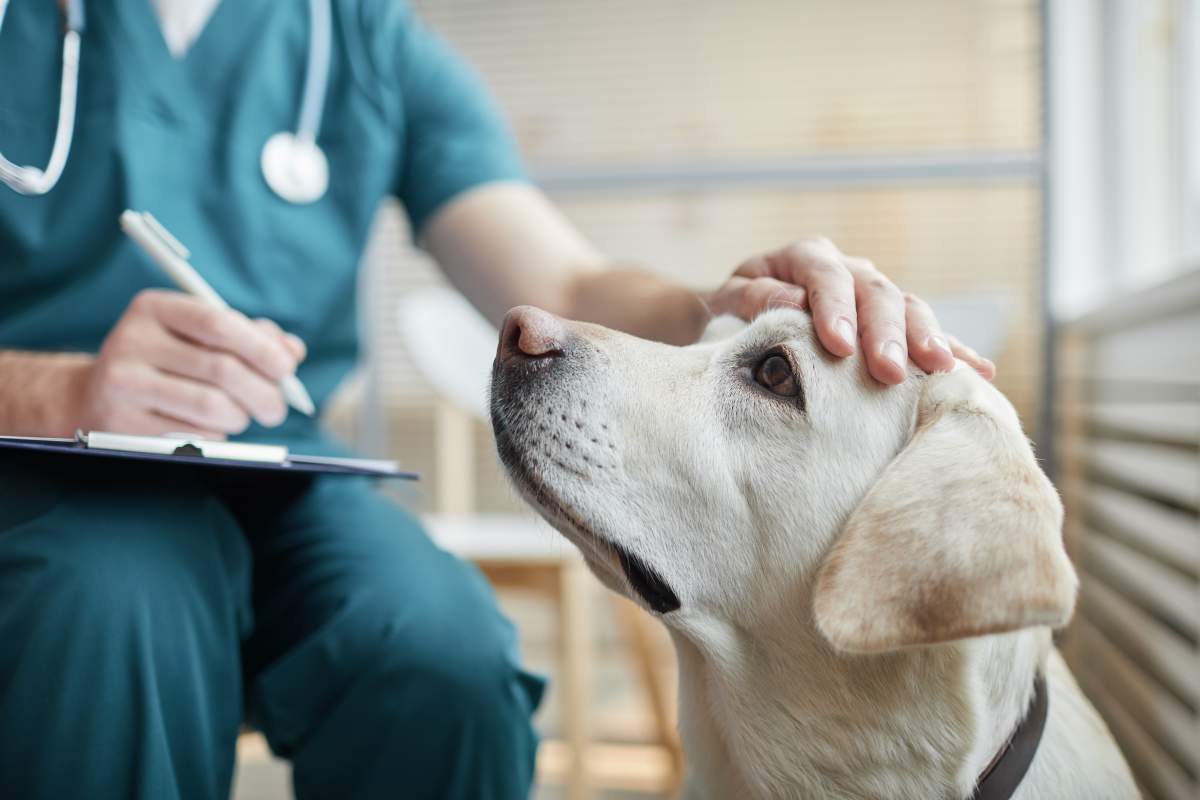
Stay calm and use normal household routines. A pet may seek physical contact, and gentle reassurance is appropriate if it helps the animal settle. Comforting a frightened pet does not “reward” fear. However, avoid frantic attention, punishment, scolding, or forcing the animal to face the storm.
Offer food only if the pet is willing to eat. High-value treats, licking mats, or food puzzles can create a positive association, but a severely frightened animal may not be able to eat. In that situation, focus on safety rather than training.
Pressure garments or calming wraps help some dogs, but they are not universally effective and should never be used so tightly that breathing or movement is restricted. Test any garment during calm weather and supervise its use. Evidence for many calming products is limited, so a product should not replace environmental management or veterinary guidance. ([aspca.org](https://www.aspca.org/news/your-pet-scared-storms-heres-how-help?utm_source=openai))
Should a pet be left alone during a thunderstorm?
A pet with a history of panic should not be left loose in an unsafe area during a storm. If possible, remain nearby, especially during the first several storms of the season or after a recent increase in anxiety.
If leaving the home is unavoidable, secure the pet in a familiar, escape-resistant area and remove hazards such as cords, breakable objects, toxic substances, and furniture that could topple. Do not leave a dog outdoors, even in a fenced yard. Thunder can cause an animal to bolt, and wet fencing or damaged gates may make escape more likely.
Keep cats indoors during storms. A cat that normally spends time outside may become disoriented by loud noise, darkness, wind, or lightning and may not return promptly.
Can storm fear be reduced with training?
Yes, but training works best between storms rather than during the peak of panic. A common approach is gradual desensitization: playing a recording of thunder at a very low volume while pairing it with treats, play, or relaxation. The sound should be quiet enough that the pet remains comfortable. Sessions should be brief and stopped if the animal shows anxiety.
The volume can be increased very gradually over multiple sessions, but progress is not linear. If the pet begins panting, hiding, pacing, or refusing treats, the sound is too intense and should be reduced. Flooding a pet with loud recordings or forcing exposure during a real storm can worsen fear. Behavior training should use reward-based methods and may require guidance from a qualified veterinary behavior professional for severe cases. ([vcahospitals.com](https://vcahospitals.com/mesa-az/know-your-pet/fear-of-noises-and-places-in-dogs?utm_source=openai))
When should a veterinarian be involved?
Veterinary guidance is appropriate when fear is severe, worsening, newly developed, or associated with escape attempts or self-injury. A new fear response in an adult or senior pet can sometimes be related to pain, illness, hearing changes, or another medical problem. ([vcahospitals.com](https://vcahospitals.com/chancellor/know-your-pet/fears-phobias-and-anxiety?utm_source=openai))
Medication may be considered for pets that cannot remain safe or functional during storms. These medications must be selected and timed for the individual animal. Never give a pet a human medication, a leftover prescription, or a supplement without veterinary instructions. Some treatments need to be given before the storm begins, while others are not suitable for every species or medical condition.
Seek urgent veterinary care if a pet has been injured, is having trouble breathing, collapses, repeatedly vomits, ingests a medication or household substance, or remains dangerously panicked despite being moved to a quiet area.
What is the most overlooked safety step?
Preventing escape is often the most important practical measure. Storm anxiety can turn a normally reliable pet into an animal that pushes through a door, breaks a window, or runs through an open gate. Before storm season, verify that collars, identification tags, microchip registration, carriers, and leashes are ready.
For local households, a written storm plan can help every family member respond consistently: bring pets indoors early, close escape routes, move them to the safe area, provide background sound, and monitor behavior until the storm has passed.