

 See My Latest Article on HelloNation
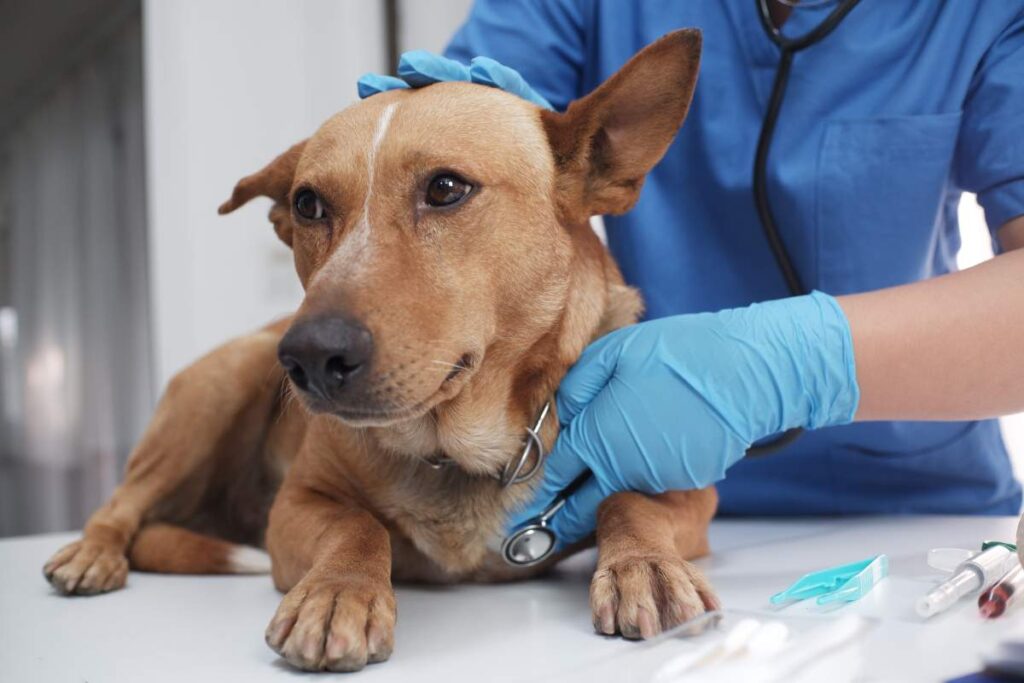
For households in Ashland, WI, many pet poisoning emergencies begin with ordinary kitchen foods rather than unusual chemicals. Chocolate, grapes, raisins, onions, garlic, alcohol, caffeine, and xylitol-containing products can cause serious illness in dogs and cats, sometimes before obvious symptoms appear.
The risk depends on the food, amount eaten, pet’s size and health, and whether the item was cooked, concentrated, or combined with other ingredients. A small dog or cat may be affected by an amount that seems insignificant to a person.
Which foods are most dangerous to dogs and cats?
The most important foods to keep away from pets include:
- Chocolate, coffee, and caffeine: These contain methylxanthines, which may cause vomiting, restlessness, abnormal heart rhythms, tremors, seizures, or collapse. Baking chocolate, cocoa powder, and dark chocolate are generally more concentrated than milk chocolate. Cats can also be harmed by chocolate, although they are less likely to eat large amounts. ([aspca.org](https://www.aspca.org/pet-care/aspca-poison-control/people-foods-avoid-feeding-your-pets?utm_source=openai))
- Grapes and raisins: These can cause sudden kidney injury in dogs. The amount that causes illness is unpredictable, so a dog should not be assumed safe simply because it ate only one grape or a small portion of a baked item containing raisins. Raisin bread, trail mix, cereal, and holiday desserts can all be sources. ([aspca.org](https://www.aspca.org/pet-care/aspca-poison-control/people-foods-avoid-feeding-your-pets?utm_source=openai))
- Onions, garlic, chives, leeks, and related foods: Raw, cooked, dried, powdered, or concentrated forms can damage red blood cells and lead to anemia. Cats are especially sensitive, but dogs can also become ill. Risk may come from gravy, soup, seasoning blends, baby food, stuffing, or leftovers rather than from a piece of onion alone. ([aspca.org](https://www.aspca.org/pet-care/aspca-poison-control/people-foods-avoid-feeding-your-pets?utm_source=openai))
- Xylitol: This sweetener is particularly dangerous to dogs. It may be found in sugar-free gum, mints, candy, some baked goods, toothpaste, mouthwash, cough products, and certain supplements. In dogs, xylitol can trigger a rapid drop in blood sugar and may also cause liver injury. The FDA reports that signs can begin within 10 to 60 minutes, although serious effects may be delayed. ([fda.gov](https://www.fda.gov/consumers/consumer-updates/paws-xylitol-its-dangerous-dogs?utm_source=openai))
- Alcohol: Alcoholic drinks, alcohol-containing desserts, and uncooked yeast dough can cause vomiting, poor coordination, depression, breathing problems, low body temperature, coma, or death. Yeast dough also expands in the stomach and can produce alcohol as it ferments. ([aspca.org](https://www.aspca.org/pet-care/aspca-poison-control/people-foods-avoid-feeding-your-pets?utm_source=openai))
- Macadamia nuts: These can cause weakness, vomiting, tremors, depression, and difficulty walking in dogs. Their effects in cats are less clearly documented, but they should not be offered to either species. ([aspca.org](https://www.aspca.org/pet-care/aspca-poison-control/people-foods-avoid-feeding-your-pets?utm_source=openai))
Are table scraps dangerous even if they do not contain a classic toxin?
Yes. Some foods are not always poisonous in the strict sense but can still cause significant illness.
Fatty scraps, bacon grease, poultry skin, meat drippings, and rich holiday foods can trigger severe stomach upset or pancreatitis. Bones may splinter, cause choking, or injure the digestive tract. Large amounts of dairy can cause diarrhea because many adult pets do not digest lactose well. ([aspca.org](https://www.aspca.org/pet-care/aspca-poison-control/people-foods-avoid-feeding-your-pets?utm_source=openai))
Avocado can cause stomach upset in dogs, while the pit presents a choking or intestinal obstruction risk. Fruit pits from peaches, plums, cherries, and similar fruits can also cause obstruction; if chewed and consumed in quantity, some contain cyanide-forming compounds. ([fda.gov](https://www.fda.gov/animal-veterinary/animal-health-literacy/potentially-dangerous-items-your-pet?utm_source=openai))
A practical rule is to avoid giving pets leftovers with sauces, seasoning, bones, pits, large amounts of fat, or unknown ingredients. A plain, pet-appropriate treat is safer than trying to separate safe ingredients from a prepared dish.
What symptoms suggest food poisoning?
Symptoms vary by toxin and may not appear immediately. Watch for:
- Vomiting or diarrhea
- Drooling, restlessness, or unusual agitation
- Weakness, wobbling, or collapse
- Tremors or seizures
- Excessive thirst or urination
- Pale gums or unusual breathing
- Abdominal pain or a swollen abdomen
- Loss of appetite or extreme sleepiness
Chocolate and caffeine may cause agitation and heart-related signs. Xylitol may cause weakness, staggering, collapse, or seizures from low blood sugar. Onion and garlic exposure may produce delayed anemia, with pale gums, weakness, or dark urine appearing later rather than right away. ([fda.gov](https://www.fda.gov/consumers/consumer-updates/paws-xylitol-its-dangerous-dogs?utm_source=openai))
Grapes and raisins deserve particular caution because kidney injury may develop after the initial exposure, even if the dog appears normal at first. Waiting for symptoms can reduce the available treatment options.
What should you do if a pet eats something poisonous?
Treat a suspected exposure as time-sensitive, especially if the food was xylitol, chocolate, grapes, raisins, alcohol, or a large amount of onion or garlic.
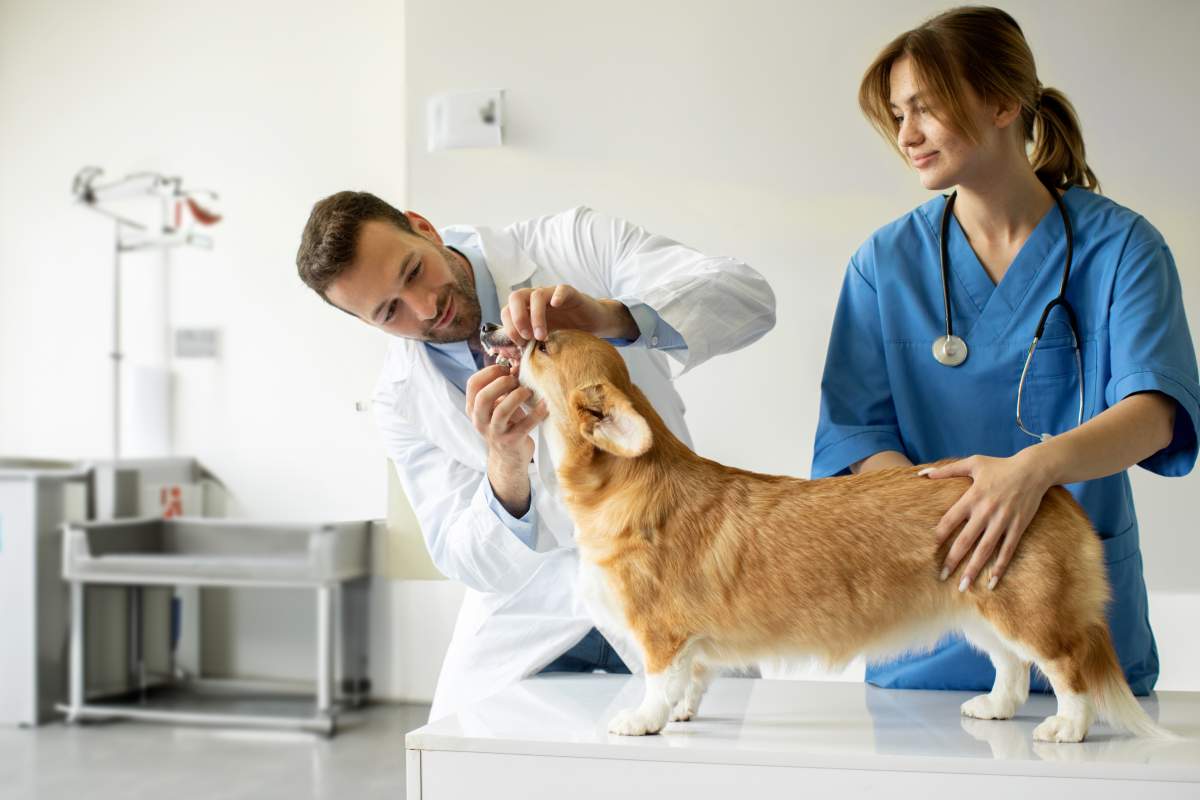
First, remove the remaining food and keep the package, ingredient list, or recipe. Note:
- The pet’s species, weight, age, and medical conditions
- The food and brand or product type
- The estimated amount eaten
- The time of exposure
- Any symptoms already present
Call a veterinarian, emergency veterinary service, or an animal poison-control center promptly. ASPCA Animal Poison Control lists (888) 426-4435; Pet Poison Helpline lists (855) 764-7661. Fees may apply to poison-control services. ([aspca.org](https://www.aspca.org/pet-care/aspca-poison-control/people-foods-avoid-feeding-your-pets?utm_source=openai))
Do not induce vomiting unless a veterinarian or poison specialist specifically instructs you to do so. Some substances can cause more injury when brought back up, and an unconscious, seizing, or poorly coordinated pet can inhale vomit. ([petpoisonhelpline.com](https://www.petpoisonhelpline.com/?utm_source=openai))
If the pet is having trouble breathing, seizing, collapsing, or unable to stand, immediate veterinary care is warranted rather than waiting to see whether the signs improve.
How can local households reduce the risk?
Cold-weather routines, holiday gatherings, baking, and indoor time can increase opportunities for pets to reach food. In homes where coats, boots, groceries, and pet supplies collect near entrances, a dog may also have easy access to dropped snacks or bags during busy arrivals and departures.
Simple precautions help:
- Store chocolate, gum, candy, raisins, and baking ingredients in closed cupboards.
- Check labels for xylitol, also called birch sugar or wood sugar.
- Keep compost, food scraps, and trash behind a secure barrier.
- Do not leave holiday plates, coffee cups, or cocktails on low tables.
- Tell children and guests which foods must not be shared.
- Keep a current list of medications and emergency contacts with the pet’s records.
The safest assumption is that a pet who has eaten a potentially toxic food needs individualized advice, even if the amount seems small or the animal looks normal. Prompt information about the product and quantity can help determine whether home monitoring is appropriate or whether urgent treatment is needed.