
 See My Latest Article on HelloNation
Dogs need regular movement, but there is no single exercise schedule that fits every dog. The right amount depends on age, breed, body condition, health, temperament, and the type of activity. For many adult dogs, a reasonable starting point is 30 to 60 minutes of activity per day, divided into one or more sessions. Some dogs need considerably more, while others—especially puppies, seniors, and dogs with medical conditions—need less or need low-impact exercise.
How much daily exercise does a dog need?
Most healthy adult dogs benefit from daily physical activity plus opportunities to explore and use their minds. A calm, low-energy dog may be satisfied with a 30-minute walk and a few short play or training sessions. A young, athletic, or working-breed dog may need 60 to 120 minutes of activity, along with structured mental stimulation.
Exercise does not have to mean running. A brisk walk, supervised play, scent games, retrieving, swimming, or basic obedience practice can all contribute to a dog’s daily activity.
A useful starting range is:
- Low-energy adult dogs: About 30 minutes daily, adjusted to comfort and weight.
- Moderately active adult dogs: About 45 to 60 minutes daily.
- High-energy or working-type dogs: Often 60 minutes or more, with both physical and mental challenges.
- Senior dogs: Shorter, gentler sessions repeated as tolerated.
- Puppies: Brief periods of play and exploration rather than forced endurance exercise.
These are starting points, not strict prescriptions. Veterinary guidance emphasizes tailoring exercise to the dog’s age, physical structure, health, and conditioning. ([vcahospitals.com](https://vcahospitals.com/leon-springs/know-your-pet/healthy-exercise-for-dogs?utm_source=openai))
Does breed determine how much exercise a dog needs?
Breed can provide clues, but it should not be the only factor. Dogs bred for herding, hunting, pulling, or sustained work often need more activity and problem-solving than companion breeds. Individual dogs within the same breed can still differ significantly.
Body structure also matters. Short-nosed dogs may have difficulty moving air efficiently during exertion, while dogs with very short legs, long backs, or joint problems may not tolerate jumping, stairs, or repeated sharp turns well. A dog that appears eager to continue may still be at risk of overheating or injury.
Watch the dog rather than relying only on a breed label. A healthy exercise plan should leave the dog pleasantly tired, not exhausted, limping, or reluctant to move afterward.
How should exercise change for puppies?
Puppies need movement for coordination, confidence, and healthy development, but their growing bones and joints are vulnerable to excessive impact. Short, self-paced play is generally safer than long runs, forced jogging, repeated jumping, or games involving sudden stops and rapid direction changes.
For young dogs, try:
- Several short play periods throughout the day.
- Brief leash walks at the puppy’s pace.
- Gentle exploration on safe, varied surfaces.
- Simple training games using food, praise, or toys.
- Rest periods between active sessions.
Large and giant dogs may continue growing for much longer than small dogs, so the age at which strenuous exercise becomes appropriate varies. Limping, stiffness, or an unusual gait should not be dismissed as normal puppy behavior. ([vcahospitals.com](https://vcahospitals.com/pediatric/puppy/health-wellness/how-to-keep-your-growing-puppy-healthy?utm_source=openai))
What is appropriate exercise for senior or overweight dogs?
Older or overweight dogs usually need gradual conditioning rather than sudden, intense activity. A few short walks may be better tolerated than one long outing. Gentle walking, controlled indoor movement, and low-impact activities can help preserve mobility without placing unnecessary stress on joints.
For a dog carrying extra weight, exercise alone may not produce safe or sufficient weight loss. Food portions, treats, pain, arthritis, and other health conditions may all affect progress. Sudden ball chasing, hard stops, and repetitive jumping can increase injury risk, particularly in dogs that are deconditioned.
Signs that a senior or overweight dog may need a slower plan include:
- Stiffness after resting or exercising.
- Limping during or after activity.
- Difficulty rising, climbing, or jumping.
- Heavy panting that does not settle promptly.
- Reluctance to continue or unusual irritability.
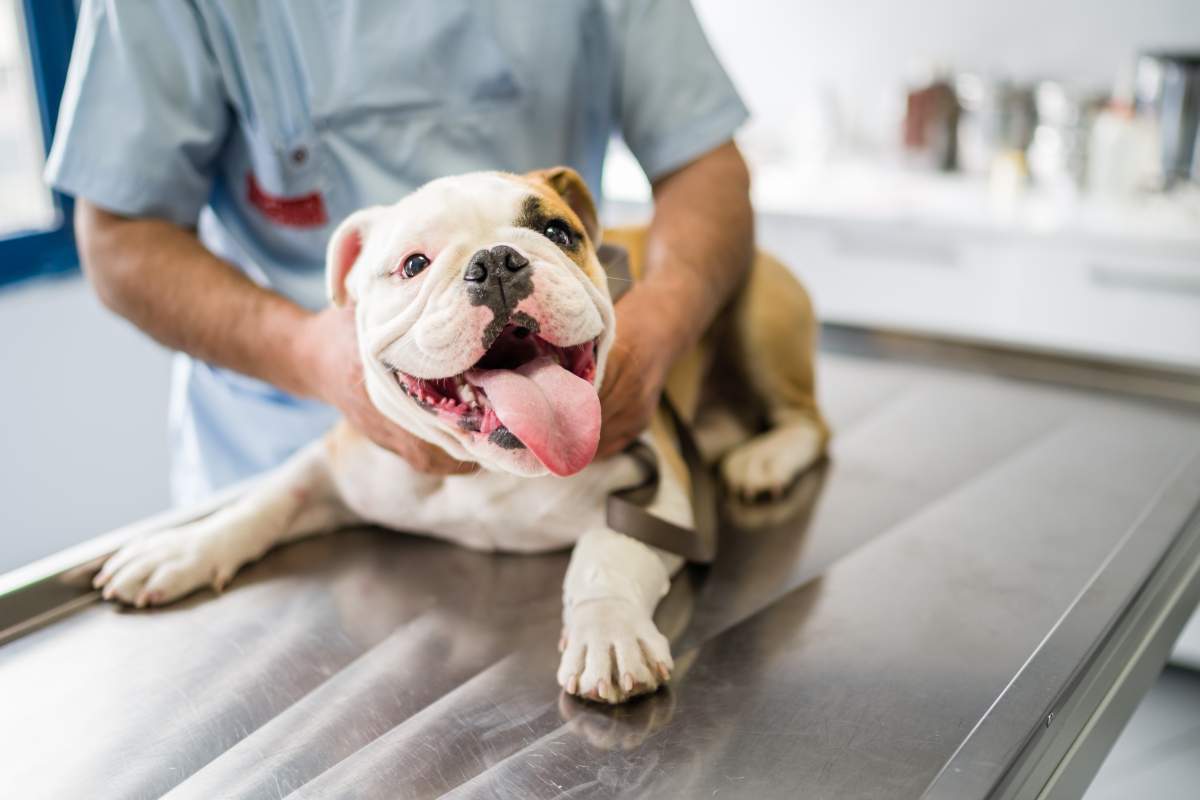
An examination is warranted if these signs are new, worsening, or persistent. A veterinary professional can help determine whether pain, heart disease, breathing problems, or another condition is limiting activity. ([vcahospitals.com](https://vcahospitals.com/resources/preventive-dog/weight-exercise/choosing-the-best-fitness-plan-for-your-dog?utm_source=openai))
Is a walk enough, or does a dog need play and mental stimulation?
A walk can be excellent exercise, but the quality of the outing matters. Allowing a dog time to sniff, investigate, and move at different speeds can provide more enrichment than a fast, repetitive route. Mental work can also reduce boredom and unwanted behaviors.
Useful additions include:
- Hiding small portions of the regular meal for supervised scent searches.
- Practicing sit, stay, recall, or leash skills.
- Rotating safe toys instead of leaving every toy available at once.
- Playing gentle fetch on a stable surface.
- Teaching the dog to find a family member or a familiar object.
Destructive behavior, persistent attention-seeking, restlessness, or nighttime activity can sometimes indicate insufficient stimulation. These behaviors can also result from anxiety, discomfort, or other medical problems, so exercise should not be assumed to be the only explanation.
How can Ashland weather affect a dog’s exercise routine?
Seasonal conditions require flexibility. During cold weather, ice, packed snow, and frozen ground can make walking harder on paws and joints. Shorter outings, slower pacing, and indoor training may be safer during severe conditions. Check paws after walks for ice accumulation, cracks, redness, or irritation from de-icing materials.
Warm, humid days create a different risk. Dogs can overheat even when a person feels comfortable, especially dogs with short noses, heavy coats, excess weight, or heart and breathing conditions. Choose cooler times of day, provide water, avoid hot pavement, and stop activity if the dog shows weakness, confusion, excessive panting, vomiting, or difficulty breathing. Overweight and short-nosed dogs require particular caution during warm-weather exercise. ([avma.org](https://avma.org/resources/pet-owners/petcare/warm-weather-pet-safety?utm_source=openai))
How do you know whether a dog is getting too much exercise?
Too much exercise may appear as more than ordinary tiredness. Warning signs include persistent panting, weakness, stumbling, vomiting, collapse, refusal to walk, swollen or painful joints, and limping that continues after rest.
Increase activity gradually, particularly after a sedentary period or during a change in season. Add only a small amount at a time and observe the dog during the next 24 hours. If soreness, limping, or marked fatigue follows a routine activity, reduce the intensity and seek veterinary advice before increasing exercise again.
The most dependable plan is consistent, moderate activity matched to the individual dog. For many households, that means a daily walk, brief play, a few minutes of training, and adjustments for age, health, temperature, and footing.