

 See My Latest Article on HelloNation
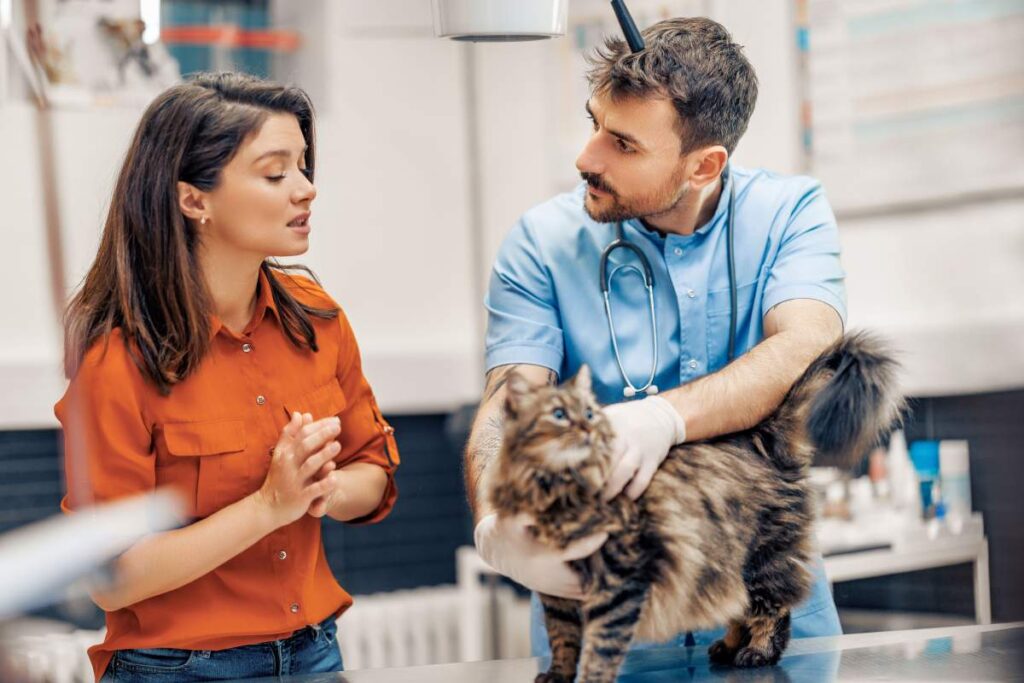
Rabies is a serious viral disease that affects mammals, including people, dogs, cats, ferrets, livestock, bats, skunks, raccoons, and foxes. Once symptoms develop, rabies is almost always fatal, but it is preventable when pets are vaccinated and possible exposures are handled promptly.
What is rabies, and how does it spread?
Rabies attacks the nervous system and is usually transmitted through the saliva of an infected mammal. A bite is the most familiar route, but scratches contaminated with saliva or saliva entering an open wound, the eyes, nose, or mouth can also create a risk.
Simply seeing a wild animal, walking near one, or touching intact fur is not generally considered a rabies exposure. The concern is direct contact with saliva or nervous-system tissue.
In northern Wisconsin, wildlife encounters may become more likely around homes, garages, wooded edges, outbuildings, and shorelines. Pets that roam outdoors can encounter wildlife even when their owners never see the interaction. Bats may enter homes through small openings, while skunks and raccoons may be attracted to unsecured garbage, pet food, or sheltered spaces beneath decks and sheds.
Why is rabies vaccination important for dogs, cats, and ferrets?
Rabies vaccination protects the individual animal, reduces the chance of transmission to people, and can prevent severe quarantine or testing requirements after a possible exposure. Vaccination also provides an important layer of protection when a pet encounters wildlife unexpectedly.
Dogs, cats, and ferrets should receive rabies vaccination according to the product label and applicable Wisconsin requirements. The initial vaccine is commonly given at about 12 weeks of age, although the timing can vary based on the animal’s age, health, vaccine product, and local rules. A booster is required after the first vaccination, followed by revaccination at intervals established by the vaccine label and regulations.
A pet is not immediately considered fully immunized after its first rabies vaccine. Protection develops over time, and the timing of that protection matters if the animal is exposed soon after vaccination.
Keep the rabies certificate and tag information with other important pet records. If a pet bites someone or encounters wildlife, accurate vaccination documentation can affect the next steps.
Can indoor pets get rabies?
Yes. Indoor living lowers risk but does not eliminate it.
A bat can enter through a chimney, attic opening, window, or damaged screen. An indoor cat may slip outside, and a dog may encounter wildlife during a brief escape or supervised yard time. Families may also unknowingly bring an injured or exposed wild animal into a home.
Rabies vaccination is therefore recommended even for pets that rarely or never go outdoors. Indoor pets can also be exposed indirectly when a bat or other mammal enters the living space.
If a bat is found in a room where a person was sleeping, or where a young child or an individual unable to reliably describe contact was present, avoid releasing it until public health guidance is obtained. A person may not notice a small bite, and the bat may be needed for testing.
Which animals should residents avoid?
Any mammal can potentially carry rabies, but bats, skunks, raccoons, and foxes deserve particular caution. An animal that is active at an unusual time, approaches people without fear, appears disoriented, has trouble walking, or shows unexplained aggression may be ill. However, behavior alone cannot confirm or rule out rabies.
Do not handle wildlife that appears sick, injured, unusually tame, or dead. Keep children and pets away, and prevent dogs and cats from investigating carcasses. Do not attempt to capture or transport a suspected rabid animal without instructions from local public health or animal-control authorities.
Unusual behavior does not always mean rabies. Wildlife can be affected by injury, parasites, poisoning, starvation, or other diseases. The safest response is to avoid direct contact and report the situation through the appropriate local channel.
What should happen after a bite, scratch, or possible exposure?
Act promptly, even if the wound appears minor.
- Wash the area immediately with soap and running water for about 15 minutes.
- If saliva may have entered the eyes, mouth, or an open wound, flush the area thoroughly with water.
- Seek urgent medical guidance from a healthcare provider or public health authority.
- Report the animal, location, species, and circumstances as accurately as possible.
- Do not try to capture a wild animal yourself.
- If the animal is a household pet, provide its current rabies vaccination records.

A person should not wait for symptoms to appear. Rabies prevention after exposure may include wound care, rabies immune globulin, and a series of human rabies vaccines. Treatment is highly effective when started before symptoms develop, but once clinical signs appear, the disease is almost always fatal.
A bite from a healthy dog, cat, or ferret may involve a supervised 10-day observation period under public health direction. This decision depends on the animal’s health, vaccination history, availability, and the circumstances of the exposure. Wildlife exposures are assessed differently, particularly when the animal cannot be located or tested.
What if a vaccinated pet fights with wildlife?
Do not assume that no visible wound means no exposure. Bite marks can be hidden beneath thick fur, and saliva may contact the eyes, mouth, or small skin injuries.
Separate the animals without placing hands near their mouths. Contact a veterinarian and local public health or animal-control authorities for instructions. An exposed pet that is current on rabies vaccination may need an immediate booster and a period of observation. The exact response depends on the species involved, the type of contact, and the pet’s vaccination records.
Do not vaccinate an animal during an official 10-day observation period after it has bitten a person unless directed by the responsible authorities. Vaccine reactions could make it harder to interpret signs of illness.
Are rabies vaccines safe?
Rabies vaccines are widely used and generally well tolerated. Mild, temporary effects such as soreness, tiredness, or reduced appetite can occur. More serious reactions are uncommon but may include facial swelling, repeated vomiting, difficulty breathing, collapse, or widespread hives.
Any concerning reaction should be reported promptly. A veterinarian can help determine whether a future vaccination plan should be adjusted. The risks of remaining unvaccinated are far greater when a pet encounters a rabid animal or becomes involved in a bite investigation.
How can households reduce rabies risk?
Keep dogs, cats, and ferrets current on rabies vaccination, and follow Wisconsin requirements for dog vaccination and licensing. Supervise outdoor pets, secure garbage and pet food, seal openings around roofs and outbuildings, and teach children never to touch wildlife.
During colder months, inspect attics, chimneys, garages, and sheds for openings that could allow bats or other mammals to enter. In warmer seasons, check yards and wooded areas before allowing pets to roam freely. These simple precautions reduce the chance that an avoidable wildlife encounter becomes a medical or animal-health emergency.